


The rapid advancement of Artificial Intelligence (AI) is transforming a wide range of sectors, from manufacturing, education, and healthcare to media and the arts. As an industry where creativity, technology, and culture converge, cinema is no exception. AI is becoming increasingly integrated into every stage of the filmmaking value chain, fundamentally reshaping how films are conceived, produced, and distributed.
Over the past few years, AI has evolved far beyond its original role as a technical support tool. Today, AI-powered systems can contribute to idea development, screenplay analysis, production design, character creation, storyboarding, post-production, marketing, and even content distribution.
Alongside these new opportunities, however, AI also raises important questions about creative value, professional ethics, copyright, and the role of human creators in the filmmaking process.
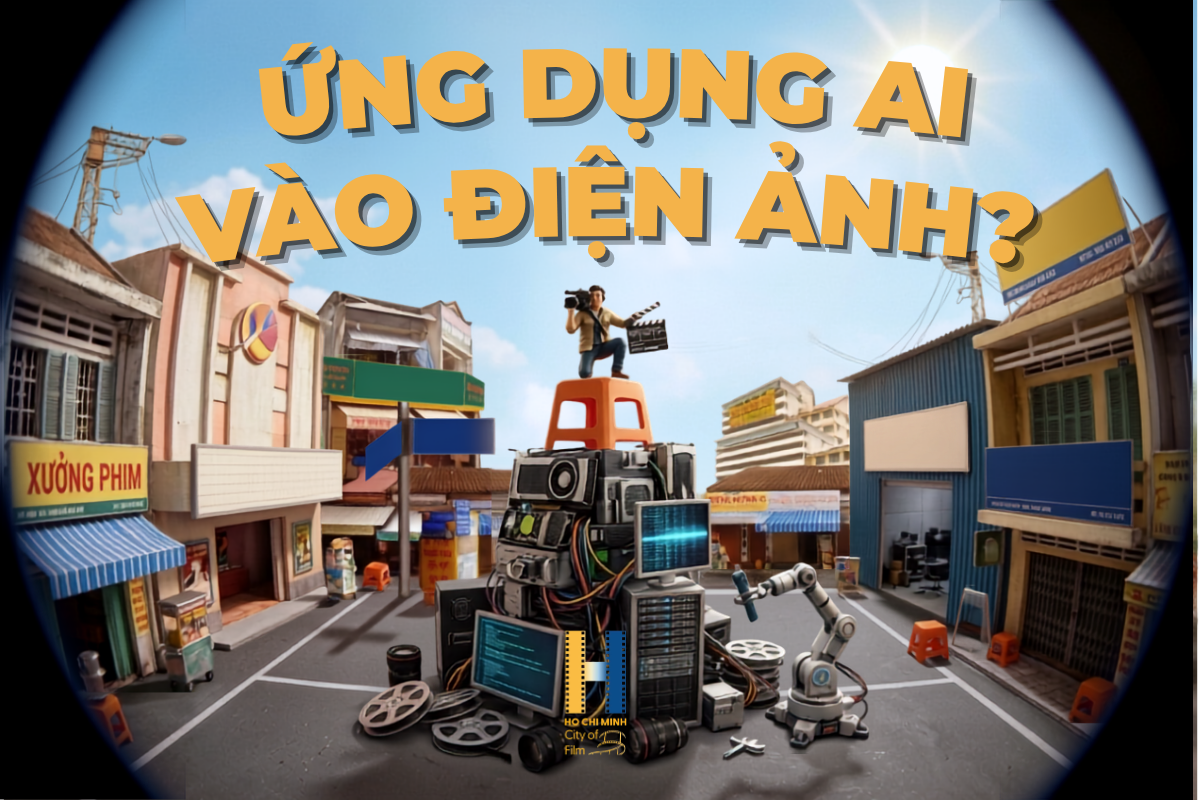
AI's growing role in cinema also raises a range of important questions
1. How Is AI Transforming the Filmmaking Process?
Where AI was once primarily used for data processing and technical automation, its applications have expanded significantly.
During pre-production, AI can analyze screenplay structures, identify narrative pacing, suggest character development, and even estimate audience appeal based on data from previous films. AI-powered tools can also generate storyboards, concept art, production designs, and lighting simulations, allowing creative teams to visualize projects long before cameras begin rolling.
Throughout production and post-production, AI continues to streamline workflows by stabilizing footage, removing image noise, enhancing resolution, synchronizing dialogue, generating visual effects, assisting with editing, and improving sound quality. Tasks that once required extensive time and manpower can now be completed more efficiently, reducing both production costs and schedules.
For independent production companies and emerging filmmakers with limited resources, these technologies provide access to capabilities that were once reserved for high-budget productions.
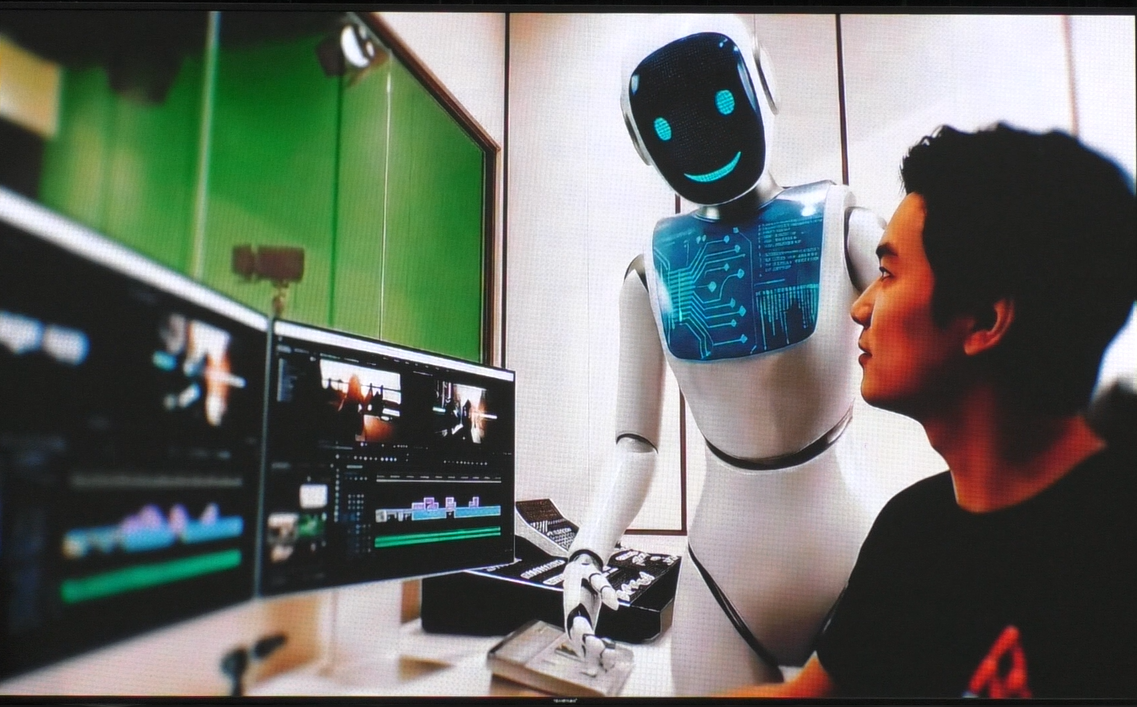
Today, AI can support filmmaking throughout the entire production pipeline—from pre-production to post-production. — Screenshot from an MTH Academy video.
2. AI Will Not Replace Creativity—But It Is Changing How Creativity Happens
One of today's most common predictions is that AI will eventually replace directors, screenwriters, or production designers. However, a closer examination of the creative process suggests a more nuanced reality.
Cinema is far more than a collection of beautiful images or well-structured narratives. It is an artistic medium that reflects human experience, emotion, cultural perspectives, and social realities.
AI can analyze millions of data points to generate visually convincing images or statistically coherent dialogue. Yet it possesses neither memory nor lived experience. It has no personal values, cultural identity, or self-awareness from which deeply human artistic meaning can emerge.
AI excels at automating repetitive tasks, processing vast datasets, and accelerating production workflows. Human creators, meanwhile, remain responsible for defining a film's message, choosing its perspective, and making the artistic decisions that shape its emotional and cultural impact. In this sense, AI is transforming how creativity is realized—not replacing who creates.
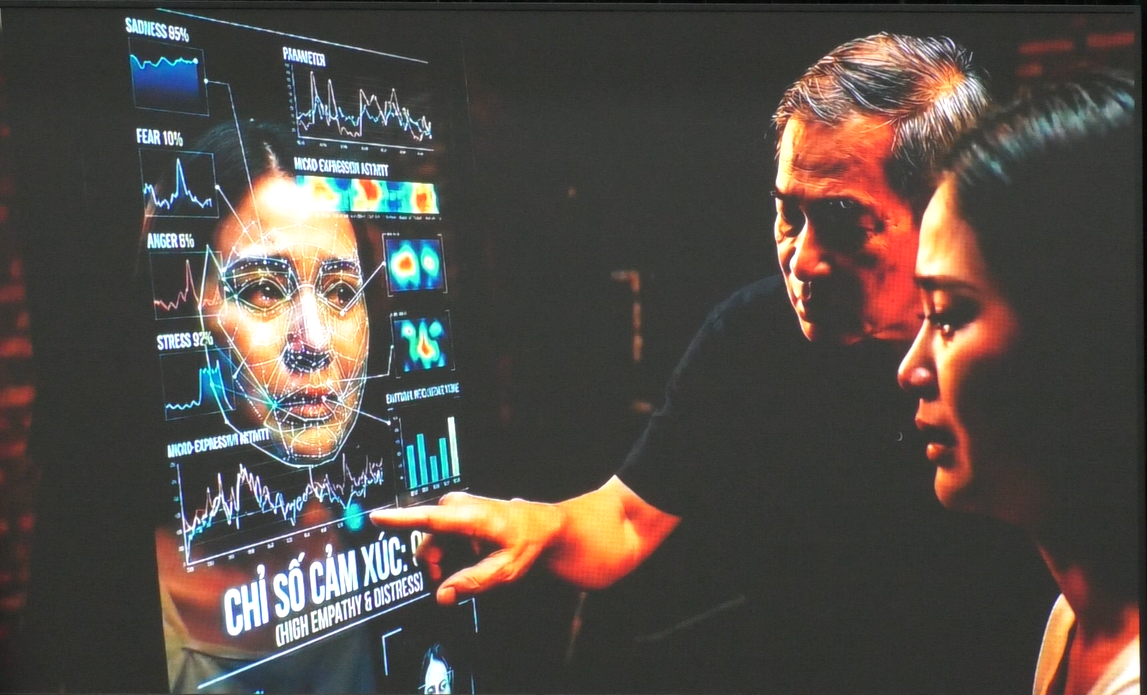
AI does not replace human creativity; it reshapes the creative process. — Screenshot from an MTH Academy video.
3. New Opportunities for Emerging Filmmakers
Perhaps one of AI's most significant contributions is the democratization of filmmaking.
Creating sophisticated environments, designing characters, or producing high-quality visual effects once demanded substantial financial resources. Today, many AI-powered tools dramatically lower these barriers.
Film students, independent creators, and emerging directors can use AI to develop storyboards, experiment with visual styles, compose temporary music, produce trailers, and prepare professional pitch presentations before seeking investors or production partners.
Rather than diminishing the importance of experienced professionals, AI expands opportunities for more creative ideas to move beyond the conceptual stage and become tangible projects.
For developing countries in particular, AI presents an opportunity to accelerate the growth of creative industries by reducing technological barriers and production costs.
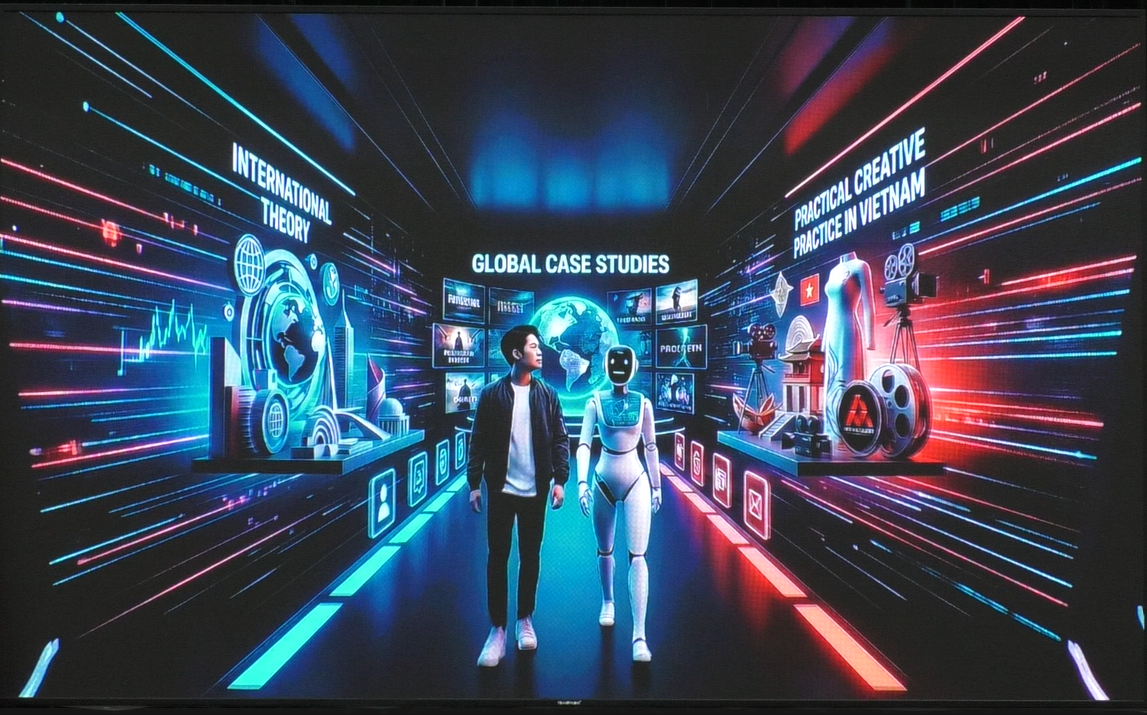
AI is creating new opportunities for the next generation of filmmakers. — Screenshot from an MTH Academy video.
4. The Challenges Ahead
Despite its many advantages, AI also introduces complex challenges that require careful consideration.
One of the most pressing concerns involves copyright and intellectual property. Since AI models are trained on enormous datasets containing images, audio, and artistic works, determining the origin of training materials and the legal rights associated with AI-generated outputs remains a highly complex issue.
Another important challenge is creative transparency. When AI contributes to multiple stages of a film's production, where should the line be drawn between human authorship and algorithmic contribution? How should AI's role be acknowledged? These questions continue to be debated by professional organizations, legal experts, and policymakers worldwide.
There is also the risk of creative homogenization. Excessive dependence on AI-generated suggestions may encourage creators to rely on algorithmic recommendations rather than observation, personal experience, and cultural insight, potentially resulting in films that feel technically polished but artistically predictable.
5. AI and the Future of Film Talent Development
As AI becomes increasingly integrated into the film industry, expectations for future filmmakers are also evolving. Tomorrow's creative professionals will need more than a solid understanding of cinematic language. They must also know how to use AI responsibly, effectively, and strategically. This reality calls for film education that integrates artistic practice with technological literacy and innovation. Students should understand not only how to use AI, but when to use it—and, more importantly, how to ensure technology serves artistic vision rather than dictates it. From this perspective, AI does not diminish the importance of film education. Instead, it reinforces the need for strong foundations in creativity, professional ethics, critical thinking, and artistic judgment.
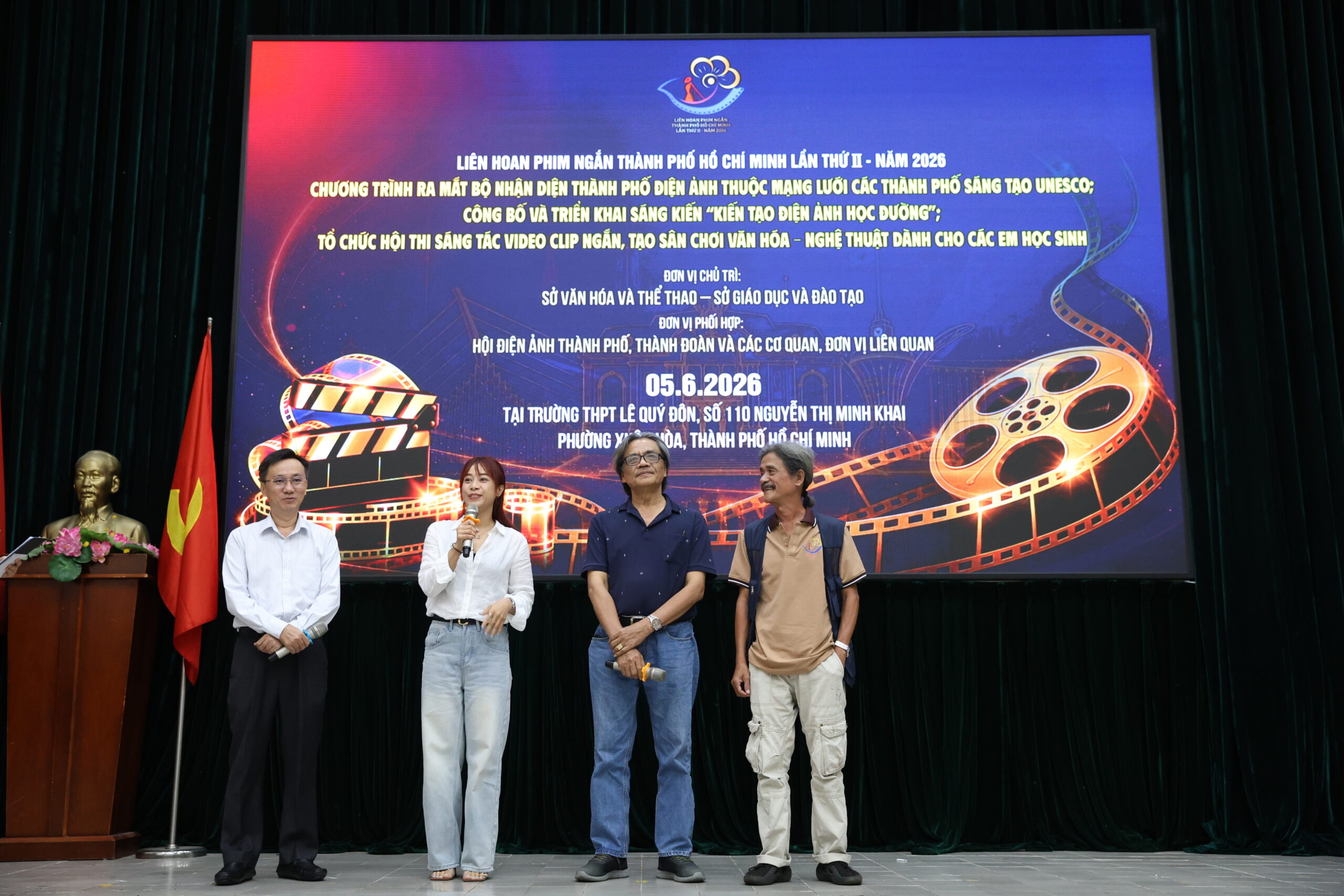
Rather than reducing the value of film education, AI underscores the importance of cultivating creativity and critical thinking. — Screenshot from an MTH Academy video.
Throughout its history, cinema has undergone multiple technological revolutions—from silent films to synchronized sound, from black-and-white to color, and from practical effects to digital visual effects. Each innovation transformed filmmaking techniques without changing the essence of cinema itself. AI can be understood in much the same way. The true value of a film lies not in the sophistication of its technology, but in its ability to move audiences emotionally, reflect human experience, and inspire meaningful reflection. AI can help filmmakers work faster, more efficiently, and with greater creative flexibility. Yet deciding which stories deserve to be told, whose perspectives they represent, and what values they communicate remains fundamentally a human responsibility.
As the film industry continues to evolve, AI will undoubtedly become an increasingly valuable creative collaborator. The future of cinema, however, will not be determined by how intelligent technology becomes, but by how wisely people use it to create works of artistic, cultural, and human significance. This is also the direction increasingly embraced by film industries around the world: placing technology in service of creativity, rather than allowing technology to define creativity itself.