


When people think of a City of Film, they often imagine state-of-the-art film studios, internationally acclaimed film festivals, or award-winning productions. However, within UNESCO's vision, a City of Film is not defined solely by its filmmaking capacity, but also by its ability to make cinema an integral part of community life.
For this reason, among the commitments that Ho Chi Minh City established after joining the UNESCO Creative Cities Network (UCCN) in the field of Film, the development of Cinema in Schools has been identified as one of its key priorities and a long-term strategic initiative.
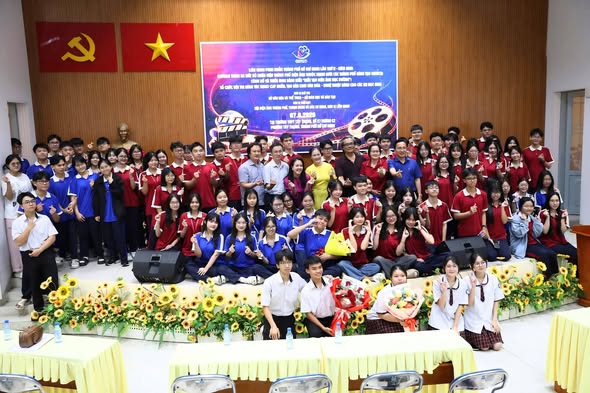
The City launches its "City of Film" visual identity and introduces the "Cinema in Schools" initiative
1. Focusing Not Only on Films, but on People
The UNESCO Creative Cities Network is founded on the principle that culture and creativity should serve as drivers of sustainable development.
For Cities of Film, this means not only producing more films, but also expanding access to culture, creating opportunities for community participation in creative activities, and nurturing the next generation of creative citizens.
In Ho Chi Minh City's commitment submitted to UNESCO, one of the key objectives is to promote film arts education in schools in order to enhance artistic appreciation, cultivate aesthetic awareness, and nurture future creative leaders. UNESCO recognizes this objective as one of the core values of a Creative City of Film. In other words, if film production builds the present of the film industry, Cinema in Schools is an investment in its future.
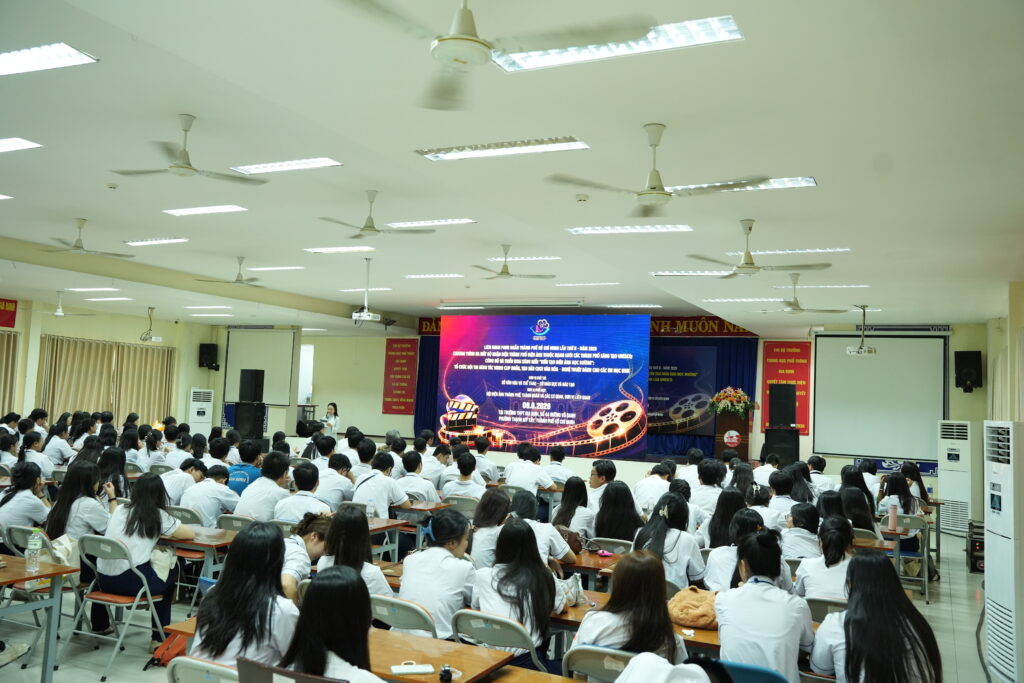
The Cinema in Schools initiative represents an investment in the future of the film industry
2. From Future Audiences to Future Creators
A sustainable film industry cannot rely solely on professional directors, screenwriters, or producers.
It requires a broader ecosystem that includes audiences capable of appreciating cinema, young people with creative mindsets, and a future workforce for the cultural and creative industries.
When students are introduced to cinema from an early age, they do more than simply learn how to watch films. They learn to interpret visual language, understand storytelling techniques, recognize cultural values, and develop critical thinking in today's digital media environment. These are among the essential competencies for citizens of the twenty-first century.
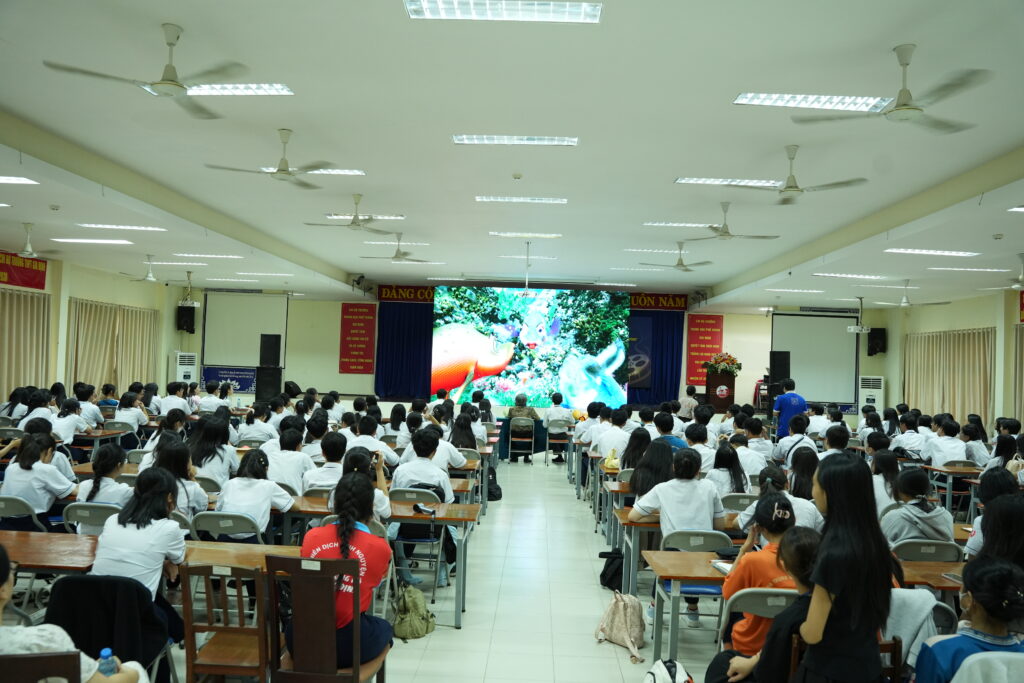
Students at Gia Dinh High School watch award-winning short films from the 1st Ho Chi Minh City Short Film Festival
Cinema in Schools, therefore, is not simply about teaching filmmaking. It is about cultivating creativity, storytelling abilities, teamwork, and communication skills among young people.
3. Ho Chi Minh City Is Turning Its Commitment into Action
In the very first year of implementing its UNESCO commitments, Ho Chi Minh City launched the "Cinema in Schools" initiative through collaboration between the cultural and education sectors. The program was officially introduced during the 2nd Ho Chi Minh City Short Film Festival 2026 and has since been implemented in several high schools across the city.
At the same time, the city announced a Short Video Competition for High School Students, providing students with opportunities to experience the creative process firsthand—from developing ideas and writing scripts to filming and editing. This represents an important shift. Rather than remaining passive viewers, students are empowered to become storytellers through their own perspectives.
By telling stories about their schools, families, neighborhoods, and the city where they grow up, cinema becomes a powerful medium through which young people express their ideas, emotions, and sense of social responsibility.
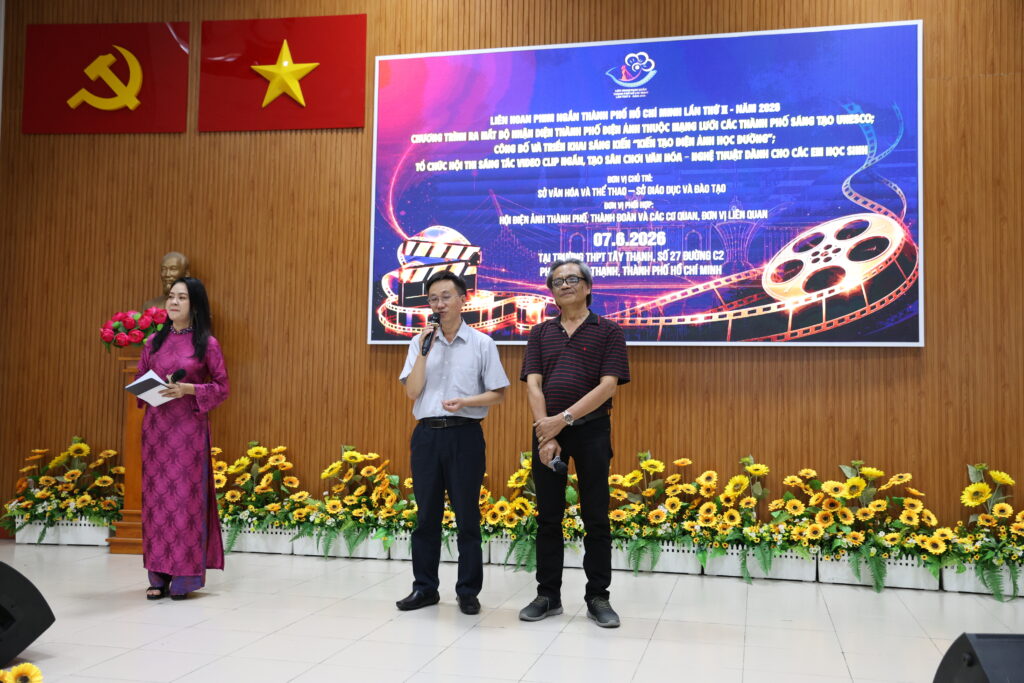
The City launches a Short Video Competition for high school students
In practice, arts education and film education have become common priorities among many UNESCO Creative Cities. In Cannes, France, for example, cultural and arts education is integrated throughout the education system—from primary school to vocational training—and is regarded as the foundation for cultivating future creative professionals.
For UNESCO Cities of Film, investing in younger generations is not simply about preparing future film professionals. It is equally about fostering creative communities, expanding cultural participation, and strengthening urban identity.
From this perspective, Cinema in Schools is not an auxiliary activity but a fundamental pillar of the long-term development strategy adopted by Creative Cities around the world.
4. A Commitment to the Future of a Creative City of Film
By identifying Cinema in Schools as one of its strategic commitments, Ho Chi Minh City demonstrates a people-centered and sustainable approach to film development.
Ultimately, the strength of a City of Film is measured not only by the number of films it produces each year, but also by its ability to nurture generations of creative citizens who can tell the stories of their communities and use the arts as a means of connecting society.
Today's classrooms may become the starting point for tomorrow's filmmakers. More importantly, they are where future creative citizens are formed—the essential foundation for Ho Chi Minh City's vision of becoming a leading UNESCO Creative City of Film and an influential film hub in the region.