


In an era of rapid digital transformation, people increasingly consume information through images and audiovisual media. Films, short videos, and multimedia content are no longer merely forms of entertainment—they have become an integral part of education, communication, and everyday life. This shift presents a new challenge for education: not only to help learners access information, but also to equip them with the ability to analyze, evaluate, and create within an image-driven media environment.
From this perspective, film education is increasingly recognized around the world as an essential component of arts education and media literacy. Its value does not lie in training everyone to become filmmakers, but in developing the fundamental competencies of modern citizens—including critical thinking, creativity, empathy, and social responsibility.
1. Film Is a "Text" That Needs to Be Read and Analyzed
In traditional education, students learn to read written texts in order to understand content, analyze structure, and identify an author's message. In today's world, moving images deserve to be approached in much the same way.
A film is more than a story. Every decision involving camera angles, lighting, sound, editing rhythm, or character development serves an artistic purpose and conveys multiple layers of meaning. When students learn to analyze these cinematic elements, watching a film becomes more than an emotional experience—it becomes an intellectual exercise.

Film is also a "text" that should be read and analyzed
Asking questions such as "What is the film's central message?", "Is the narrator's perspective objective?", or "Could the character's actions be interpreted differently?" helps cultivate critical thinking. These skills are becoming increasingly important as young people are exposed to an overwhelming amount of information in today's digital world.
In other words, film education helps learners become discerning consumers of information who analyze content thoughtfully rather than absorbing it passively.
2. Learning to Make Films Develops Interdisciplinary Thinking
While watching films strengthens analytical skills, making films allows students to apply multiple competencies simultaneously.
To complete a short film, students must move through every stage of the creative process—from observing real-life situations and selecting a topic to writing a screenplay, organizing production, filming, editing, and presenting the final work. Each step requires logical thinking, problem-solving, time management, teamwork, and effective communication.
These are precisely the core competencies emphasized in modern education. Film therefore functions not only as an art form but also as an interdisciplinary learning environment where language, history, visual arts, technology, and social skills come together through one unified creative process.
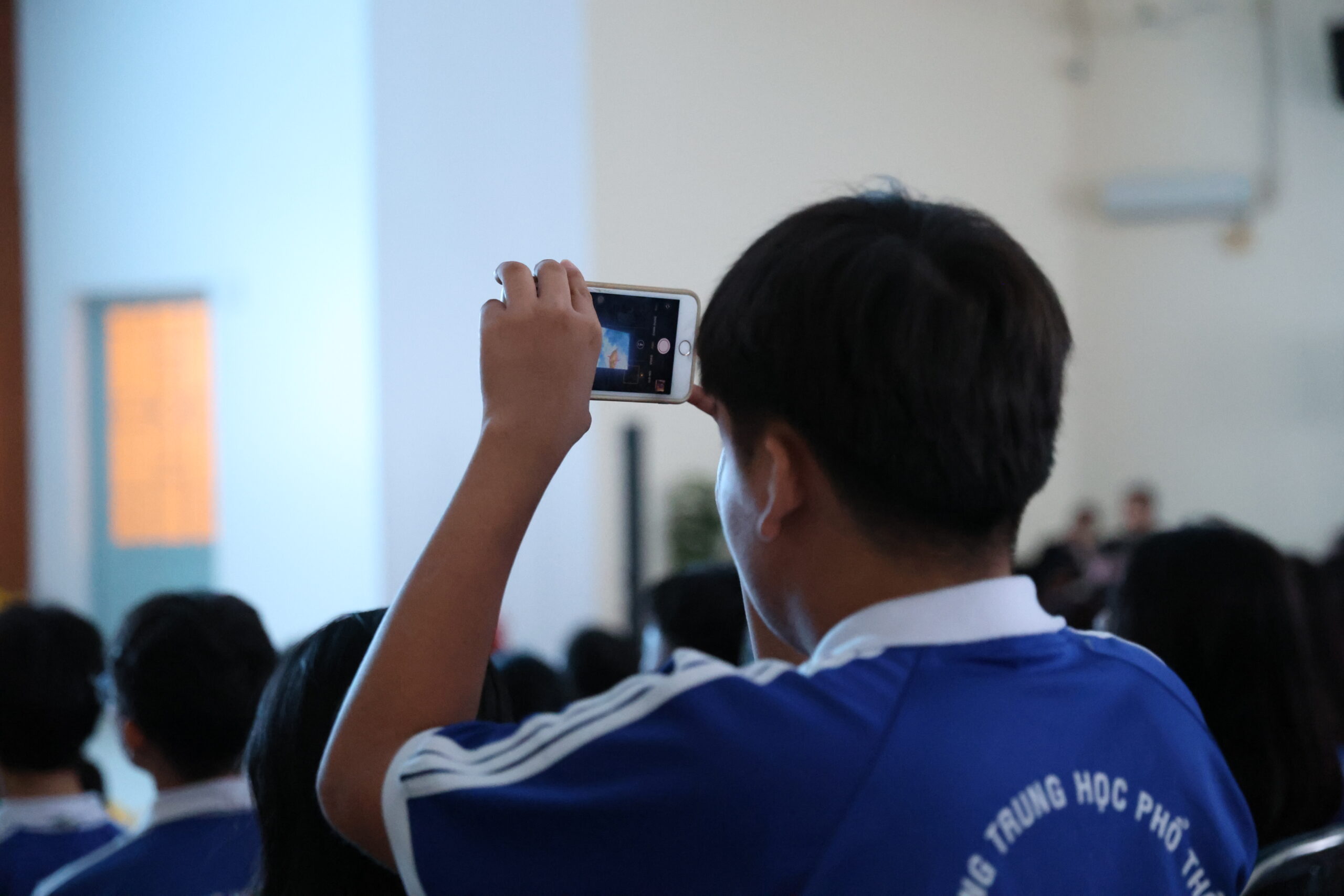
Learning to make films is also a way of developing interdisciplinary thinking
In today's expanding creative economy, mastering visual storytelling also helps young people build communication skills that are valuable across a wide range of professions—not only within the film industry.
3. One of Film's Greatest Strengths Is Its Ability to Cultivate Empathy
If critical thinking enables people to understand issues through reason, empathy enables them to understand one another through emotion.
Numerous studies in education and psychology suggest that engaging with meaningful works of art—including cinema—can expand people's ability to view the world through someone else's perspective. By following a character's journey, audiences experience situations, choices, and conflicts they may never encounter in their own lives.
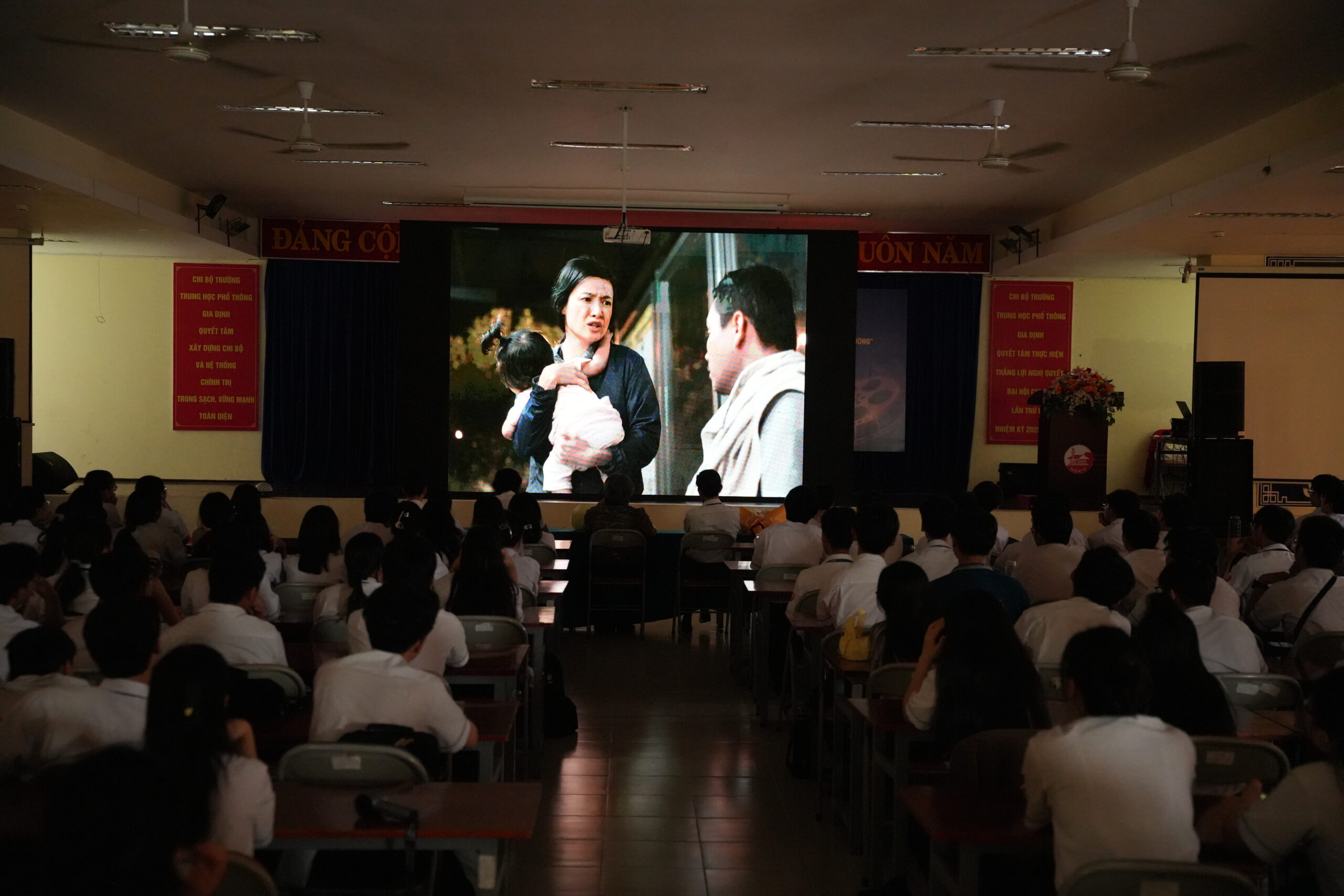
The "Cinema in Schools" film screening program
Within an educational setting, this carries particular significance. Students learn not only to distinguish right from wrong, but also to understand why different people make different decisions under different circumstances.
The empathy developed through this process contributes not only to personal growth but also to a culture of dialogue, collaboration, and respect for diversity—qualities that are increasingly essential in modern society.
4. Film Education Is an Essential Part of Citizenship Education in the Digital Age
Digital platforms have fundamentally transformed each individual's role within today's media ecosystem. Young people are no longer merely consumers of content—they are also creators and distributors.
In this context, film education does more than teach students how to produce audiovisual content. It also helps develop an understanding of media ethics, social responsibility, copyright protection, and the importance of information accuracy.
These topics are closely connected to the concept of digital citizenship, a key educational objective embraced by many education systems worldwide.
Film education, therefore, should not be viewed separately from citizenship education. Rather, it provides an effective way to help learners use media responsibly, ethically, and critically.
5. From Film Education to Building Creative Human Capital
Across strategies for developing cultural and creative industries, investment in people is consistently recognized as the determining factor.
Experiences from many countries demonstrate that a sustainable film ecosystem can only flourish when supported by education—from cultivating audiences with artistic appreciation to identifying and nurturing creative talent from an early age.
For Ho Chi Minh City, the implementation of the "Cinema in Schools" initiative is not simply about adding another extracurricular activity. It represents a long-term approach to fulfilling the city's commitments after joining the UNESCO Creative Cities Network (UCCN) as a City of Film.
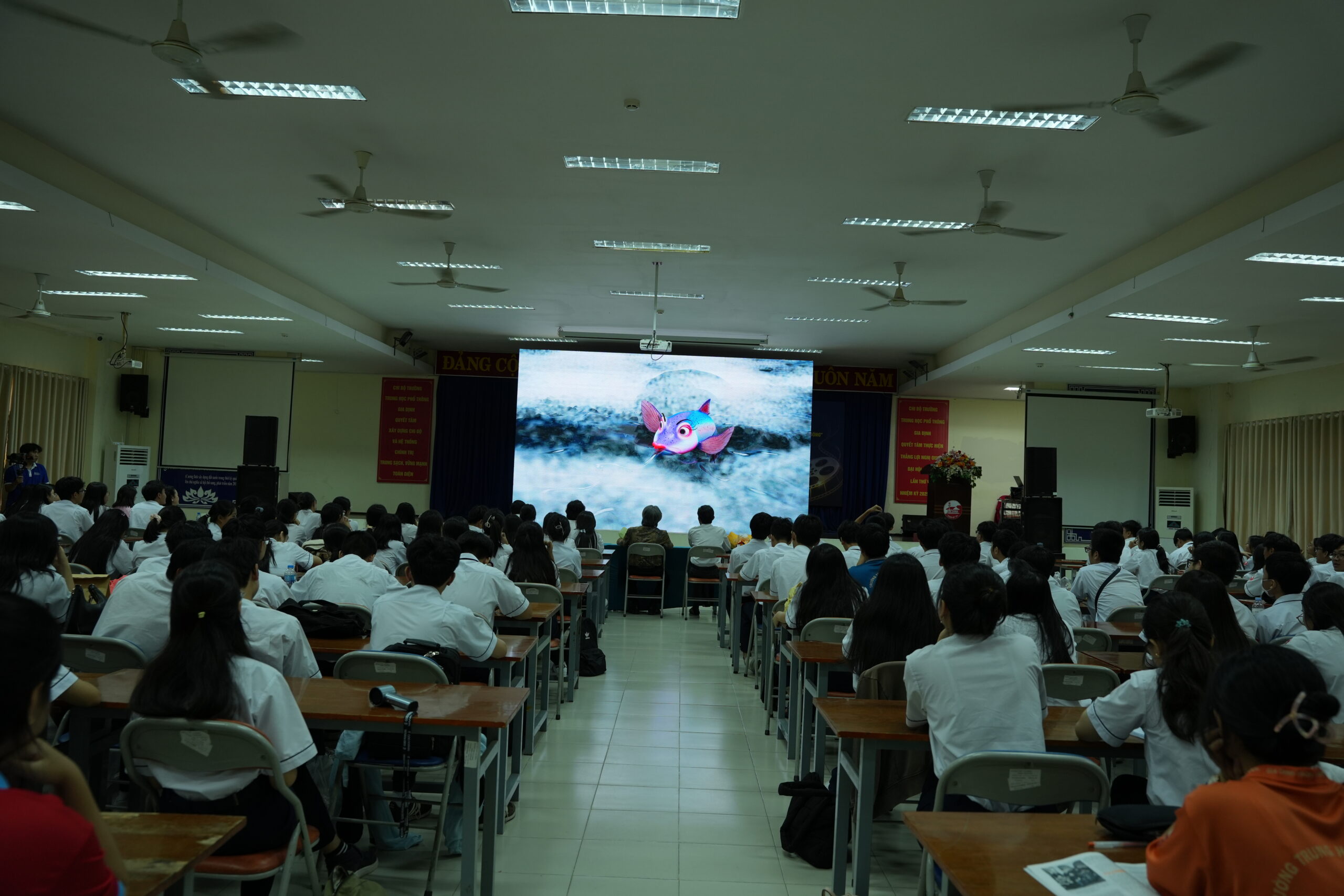
The "Cinema in Schools" film screening program
Investing in film education is therefore an investment in creative human resources, social innovation, and the sustainable development of cultural and creative industries.
6. Film Education Is Ultimately an Investment in Human Potential
In contemporary education, the value of a subject is measured not only by the knowledge it delivers but also by the competencies it helps learners develop.
From this perspective, film education is about much more than teaching young people how to make films or appreciate cinema. More importantly, it fosters independent thinking, communication skills, collaboration, civic responsibility, and empathy toward others and society.
This explains why many countries and UNESCO Creative Cities have incorporated film education into their broader strategies for cultural and human development. Ultimately, the most enduring value of cinema lies not only in the films that are produced, but in the people who are shaped through the processes of experiencing, creating, and engaging in dialogue through the art of film.